Ultra-Low Pressure Tires: The Secret Behind Extreme Off-Road Capability
When most people think about off-road vehicles, they imagine aggressive tread patterns, powerful engines, and advanced suspension systems. While all of these features contribute to off-road capability, ultra-low pressure tires have become a key technology behind the world's most capable all-terrain machines, making it possible to travel across mud, muskeg, deep snow, and other challenging surfaces that would immobilize traditional vehicles. Let’s take a closer look at how these tires work.
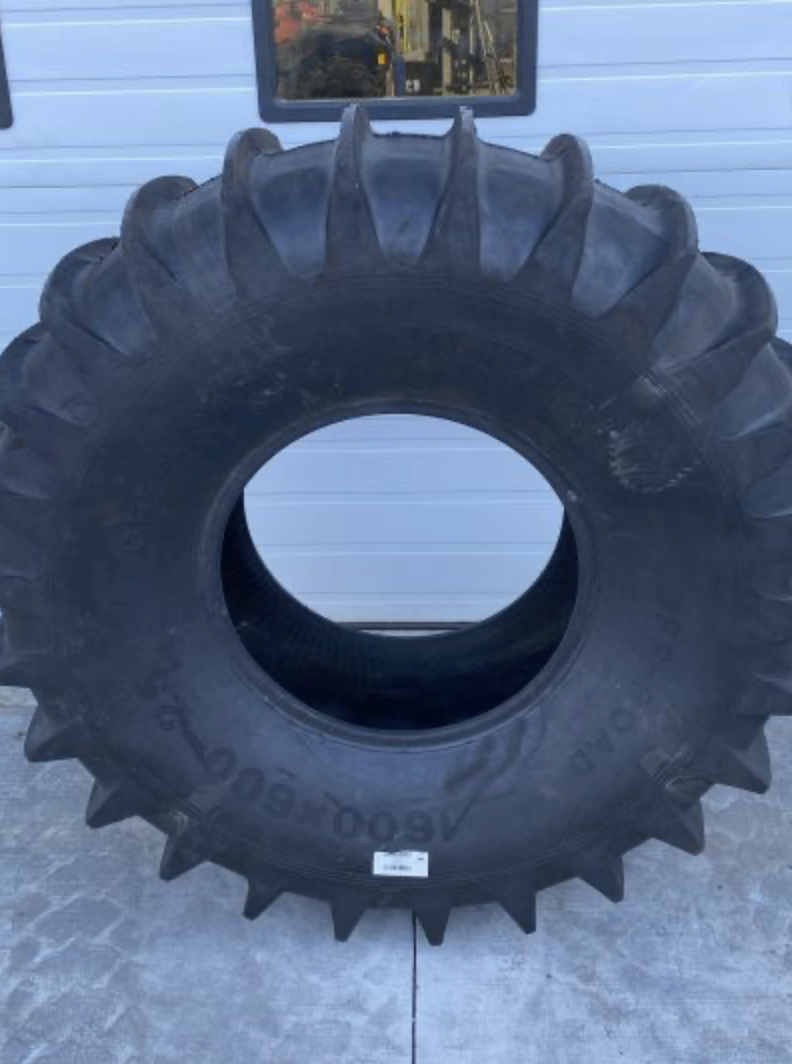
What Are Ultra-Low Pressure Tires?
Ultra-low pressure tires are specialized pneumatic tires designed to operate at inflation pressures significantly lower than conventional off-road tires.
For comparison:
- Passenger vehicle tires typically operate between 30 and 35 PSI
- Conventional ATV tires typically operate between 4 and 8 PSI
- Ultra-low pressure tires typically operate at pressures measured in fractions of a PSI to just a few PSI, depending on terrain and operating conditions
The goal is simple: maximize the tire's contact area with the ground while minimizing ground pressure.
Ground pressure is determined by the vehicle's weight divided by the area over which that weight is distributed. Conventional off-road tires concentrate weight onto relatively small tire footprints. In contrast, because ultra-low pressure tires are large in diameter, wide, and highly flexible, they deform significantly under load, creating a massive footprint. The vehicle's weight is spread over a much larger area, dramatically reducing sinkage.
In practical terms, ultra-low pressure tires can exert less pressure on the ground than a person standing on foot. This allows the vehicle to "float" across terrain that would swallow conventional trucks, ATVs, and utility vehicles.
Advantages Over Conventional ATV Tires
Superior Flotation
The biggest advantage is the ability to stay on top of soft terrain rather than sinking into it.
Where conventional tires dig downward, ultra-low pressure tires spread outward.
Exceptional Ability to Clear Obstacles
The large tires can deform around rocks, logs, stumps, and uneven terrain. Instead of bouncing off obstacles, they wrap around them, maintaining traction.
Amphibious Capability
The massive air volume inside ultra-low pressure tires provides buoyancy while the tread pattern functions like a paddle wheel, enabling a machine to swim.
Reduced Environmental Impact
Lower ground pressure means less disturbance to sensitive environments such as wetlands, tundra, and soft soils.
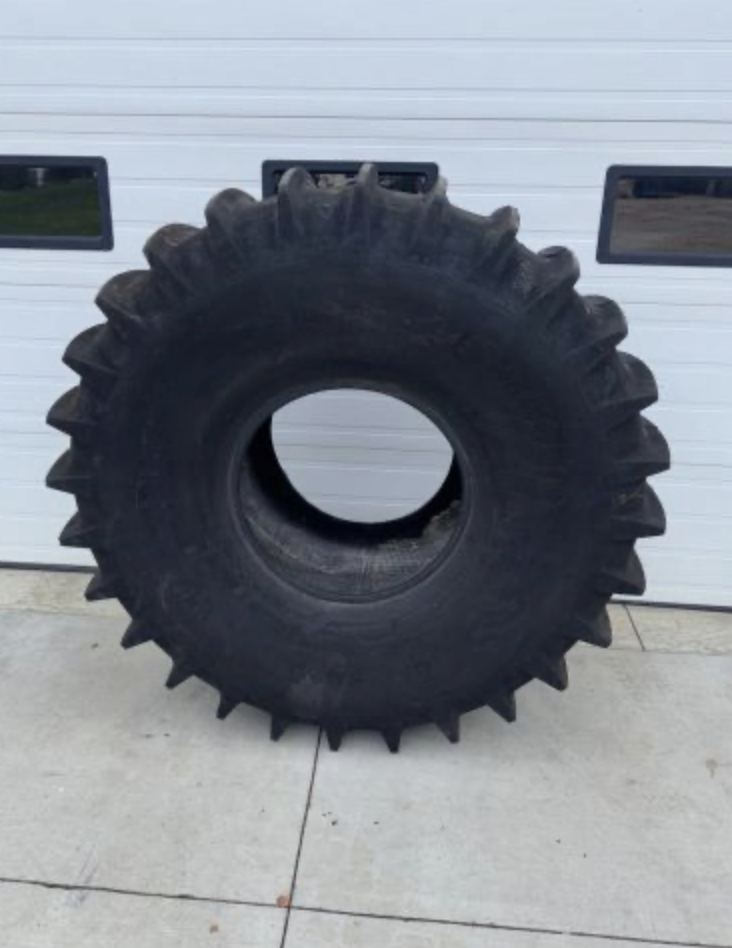
Applications for Ultra-Low Pressure Tire Vehicles
The unique capabilities of ultra-low pressure tires make them valuable across numerous industries:
- Oil and gas field access
- Utility maintenance
- Mining support
- Forestry operations
- Environmental monitoring
- Remote community access
- Scientific expeditions
- Recreational exploration
Conclusion
Ultra-low pressure tires are one of the most innovative developments in off-road vehicle technology. By dramatically reducing ground pressure and maximizing flotation, these tires enable vehicles to travel across terrain that would stop conventional wheeled machines.
Their combination of large air volume, flexible construction, specialized tread design, and low operating pressures provides unmatched performance in mud, snow, wetlands, and other extreme environments.